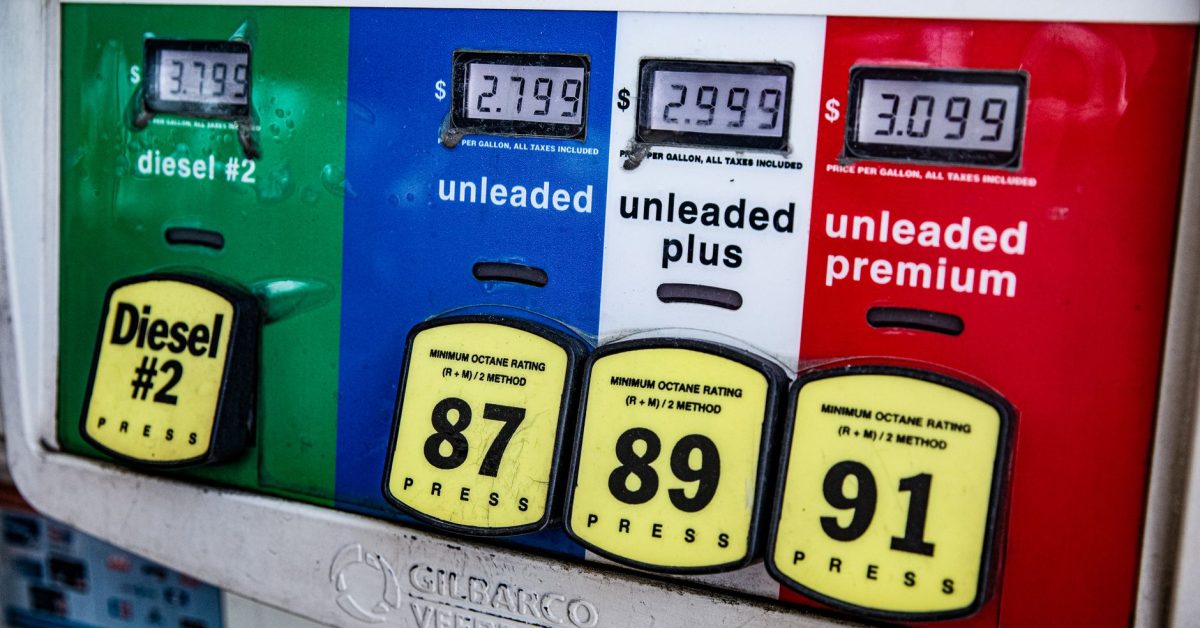
rising oil prices are significantly affecting market dynamics, leading to extended losses for Sensex and Nifty. Investors are feeling the pinch as global oil costs rise.
Understanding the Impact of Oil Prices on Markets
The ongoing increase in oil prices has created significant ripples in the financial markets, particularly affecting major indices like the Sensex and Nifty. As the cost of crude oil climbs, investors are beginning to feel the pressure, which is reflected in the recent downturn of these indices.
Rising oil prices can lead to a variety of economic challenges, including:
- Higher Inflation: Increased fuel costs can raise the prices of goods and services, leading to heightened inflationary pressures.
- Impact on Consumer Spending: As fuel prices rise, consumers may have less disposable income to spend, which can negatively affect businesses.
- Strain on Profit Margins: Companies reliant on oil for operations may see their profit margins shrink, leading to reduced investor confidence.
Overall, the current trend of rising oil prices is likely to continue weighing down markets as investors assess the broader economic implications.
Current Market Trends
The recent surge in oil prices has significantly affected global markets, leading to a downward trend in major indices. Investors are increasingly concerned about the implications of rising oil prices on economic growth and inflation rates. As a result, market sentiments have turned bearish, contributing to a decline in key benchmarks.
The Sensex has witnessed a considerable drop, reflecting investors’ anxiety over the cost of crude oil. This situation has prompted many to reassess their portfolios in light of fluctuating energy prices. Analysts highlight that:
- Increased transportation costs: Higher oil prices often translate to increased costs for goods and services.
- Inflationary pressures: Rising oil prices can lead to broader inflation concerns, impacting consumer spending.
- Sector-specific impacts: Industries such as aviation and logistics are particularly vulnerable to these price hikes.
In conclusion, as rising oil prices continue to weigh down markets, investors are advised to remain cautious and closely monitor economic indicators.
Factors Contributing to Rising Oil Prices
Several factors are contributing to the rising oil prices, creating a ripple effect across global markets. Understanding these variables is essential for investors looking to navigate the current landscape.
- Geopolitical Tensions: Ongoing conflicts in oil-rich regions have led to supply disruptions, causing prices to surge.
- OPEC+ Decisions: The Organization of the Petroleum Exporting Countries and its allies have recently decided to cut production, further tightening supply and driving up prices.
- Global Demand Recovery: As economies recover from the pandemic, demand for oil has increased significantly, pushing prices higher.
- Inflation Pressures: Rising inflation rates have impacted the cost of production and transportation, which in turn affects oil prices.
- Currency Fluctuations: The strength of the U.S. dollar can influence oil prices, as oil is primarily traded in dollars.
These factors collectively contribute to the ongoing trend of rising oil prices, which continue to weigh down markets, including the Sensex.
Investor Reactions to Market Changes
As the news of rising oil prices continues to spread, investors are reacting with caution, reflecting concerns over potential economic impacts. The Sensex and Nifty have both faced significant losses, prompting many to reassess their portfolios.
Investor sentiment has shifted, with many expressing worries about inflation and increased operational costs for businesses. A recent survey indicated that:
- 65% of respondents believe rising oil prices will lead to higher consumer prices.
- 50% are considering reallocating investments to more stable assets.
- 40% expect volatility in the stock market to continue in the short term.
Moreover, some analysts suggest that the persistent climb in oil prices could hamper growth in various sectors, especially those heavily reliant on fuel. In light of these developments, many investors are adopting a wait-and-watch approach, closely monitoring market signals before making further commitments.
Long-term Implications for Investors
The recent surge in oil prices is raising concerns among investors, prompting them to reassess their strategies. As rising oil prices contribute to increased inflationary pressures, many analysts warn of a potential slowdown in economic growth. This situation creates an uncertain environment for long-term investments.
Investors may need to consider various factors as they navigate these changes:
- Sector Volatility: Industries heavily reliant on oil, such as transportation and manufacturing, may face squeezed profit margins.
- Interest Rates: Central banks could respond to inflation by raising interest rates, impacting borrowing costs and consumer spending.
- Alternative Investments: Investors may explore commodities, renewable energies, or other asset classes as a hedge against rising oil prices.
- Global Supply Chains: Fluctuations in oil prices can disrupt supply chains, affecting companies’ performance and stock valuations.
In light of these implications, staying informed and adaptable will be crucial for investors aiming to protect their portfolios during this period of uncertainty.
Expert Opinions on Market Outlook
Experts in the financial sector are increasingly voicing concerns about the impact of rising oil prices on market stability. According to market analyst Rajesh Kumar, “The recent surge in oil prices could lead to increased inflation, which in turn might force central banks to reconsider their monetary policies.” This sentiment is echoed by Priya Singh, a senior economist, who emphasizes that “higher oil prices can strain consumer spending, affecting overall economic growth.”
Market strategist Anil Mehta adds that the ripple effects of rising oil prices are already being felt across various sectors, particularly in transportation and manufacturing. “Companies are facing higher operational costs, which may lead to reduced profit margins and lower stock valuations,” he explains.
Moreover, Dr. Neha Gupta, a renowned financial researcher, warns that “if the trend of rising oil prices continues, it could trigger significant volatility in the markets, making it essential for investors to remain vigilant and adjust their portfolios accordingly.”
How to Navigate Market Volatility
As rising oil prices continue to exert pressure on global markets, investors are seeking strategies to navigate this volatility effectively. Understanding the correlation between oil prices and market performance is crucial for making informed decisions.
Here are some strategies investors can consider:
- Diversification: Spread investments across various sectors to mitigate risks associated with rising oil prices, particularly in energy-sensitive industries.
- Focus on Defensive Stocks: Consider investing in companies that tend to perform well during market downturns, such as utilities and consumer staples.
- Monitor Economic Indicators: Keep an eye on inflation rates and economic growth forecasts, as these can provide insights into the broader market impact of rising oil prices.
- Stay Informed: Regularly review expert analyses and market reports to adapt strategies as conditions change.
In conclusion, being proactive and informed can help investors navigate the challenges posed by rising oil prices while positioning themselves for future growth.
Photo by Ekaterina Belinskaya on Pexels