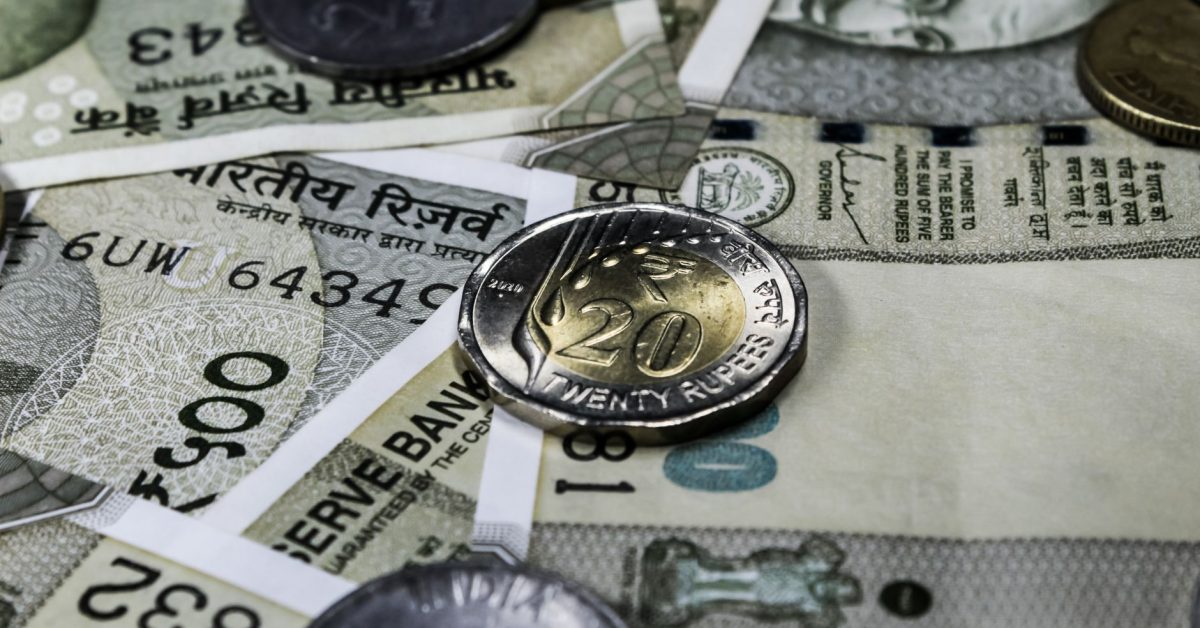
RBI rate hike is a pressing concern as economists analyze the impact on the rupee’s value. With the currency under pressure, many are asking what comes next.
Understanding RBI’s Role in Currency Stability
The Reserve Bank of India (RBI) plays a critical role in maintaining the stability of the Indian currency. As the country’s central bank, it has the authority to implement monetary policy measures that influence inflation, interest rates, and overall economic performance. One of the key tools at the RBI’s disposal is the adjustment of the repo rate, which directly impacts borrowing costs and consumer spending.
When the RBI opts for a rate hike, it is often seen as a move to combat rising inflation and stabilize the rupee against foreign currencies. This action can have several implications:
- Attracting Foreign Investment: Higher interest rates can lure foreign investors seeking better returns on their investments, thereby strengthening the currency.
- Controlling Inflation: By making borrowing more expensive, a rate hike can help cool off an overheating economy and keep inflation in check.
- Impact on Exports: Conversely, a stronger rupee can make Indian exports less competitive in the global market, potentially affecting trade balances.
Economists remain divided on whether an RBI rate hike is the right move for the rupee at this juncture. While some believe it could provide immediate relief, others caution against the long-term consequences it may entail.
What Economists Say About the Rate Hike
Economists are divided on the implications of the recent RBI rate hike for the rupee. Some argue that increasing interest rates can strengthen the currency by attracting foreign investment and capital inflows. Others, however, caution that this move could stifle economic growth and lead to higher borrowing costs for businesses and consumers.
Proponents of the rate hike believe that it is a necessary step to combat inflation and stabilize the currency. They argue that higher rates could enhance the attractiveness of Indian assets, thus inviting more foreign capital. “An increase in rates can offer a better return on investments, making the rupee more appealing,” says Dr. Aditi Sharma, an economist at a leading financial institution.
On the other hand, critics highlight the potential drawbacks. “While the RBI rate hike may provide short-term relief for the rupee, it could hurt the economy in the long run,” warns financial analyst Ravi Kumar. They point to the possibility of reduced consumer spending and investment as businesses adapt to the new borrowing landscape.
The debate continues as analysts weigh the long-term impacts of the RBI rate hike against immediate currency stability. Only time will tell if this decision will indeed bolster the rupee or create further challenges for the Indian economy.
Potential Impact on the Rupee
The recent RBI rate hike has sparked discussions regarding its potential impact on the Indian rupee. As the Reserve Bank of India takes measures to combat inflation and stabilize the currency, market analysts are closely monitoring the situation. The central bank’s decision is primarily aimed at enhancing the attractiveness of Indian assets, thereby encouraging foreign investment.
One of the immediate effects of a rate hike is the strengthening of the rupee against major currencies. A higher interest rate typically leads to increased inflows of foreign capital, which in turn boosts demand for the rupee. However, the effect may be tempered by global economic conditions, including the monetary policies of other central banks.
Moreover, the rate hike could influence consumer spending and borrowing costs. While it may provide short-term relief for the rupee, higher rates can dampen economic growth if consumers and businesses face increased financial burdens.
In the long run, the success of the RBI’s strategy will depend on how well it balances the need for currency stability with the broader economic implications. As economists weigh in on the potential outcomes, the situation remains fluid, and stakeholders are eager to see how the markets react in the coming weeks.
Historical Context of RBI Rate Changes
The Reserve Bank of India (RBI) has a long history of adjusting interest rates in response to economic conditions, which directly influences the value of the rupee. Over the past two decades, the RBI has implemented numerous rate hikes aimed at curbing inflation and stabilizing the currency. Each adjustment reflects the central bank’s approach to managing monetary policy amidst changing economic landscapes.
In the early 2000s, the RBI maintained relatively low rates, encouraging borrowing and spending, which contributed to economic growth. However, as inflation began to rise, the bank shifted its strategy, introducing a series of rate hikes between 2010 and 2014. This period saw the repo rate climb significantly, impacting both consumer loans and foreign investment.
More recently, the RBI’s interventions included rate hikes during times of global economic uncertainty, such as the COVID-19 pandemic recovery phase. By raising rates, the RBI aimed to bolster the rupee against a backdrop of fluctuating external factors and supply chain disruptions.
As the current economic situation unfolds, the ongoing discussions surrounding the RBI rate hike raise questions about the effectiveness of such measures in enhancing the rupee’s value. Market analysts and investors are closely monitoring these developments, assessing whether the RBI’s strategies align with broader economic goals.
Future Predictions for the Indian Economy
As the Reserve Bank of India (RBI) considers a rate hike, economists are analyzing the potential implications for the Indian economy. The decision, while aimed at stabilizing the rupee, raises questions about its long-term effects. Several key factors will influence future predictions:
- Inflation Trends: Persistent inflation could prompt the RBI to increase rates further, impacting consumer spending and investment.
- Global Economic Conditions: Fluctuations in global markets and foreign exchange rates will play a significant role in determining the success of any RBI rate hike.
- Investor Confidence: A well-calibrated rate hike could bolster investor confidence, attracting foreign direct investment which is crucial for economic growth.
- Domestic Growth Rates: The RBI must balance the need to control inflation with the risk of stifling growth, particularly in sectors recovering from the pandemic.
Moreover, the RBI’s decision will be closely monitored by international markets. A rate hike could strengthen the rupee in the short term, but its sustainability will depend on broader economic indicators. As stakeholders await the RBI’s next move, the question remains: Is the RBI rate hike the right step for a stable rupee and a robust economy?
Public Sentiment on RBI’s Decisions
Public sentiment regarding the recent RBI rate hike is mixed, reflecting a range of opinions from various sectors of society. While some individuals support the move, believing it will strengthen the rupee and curb inflation, others express concern over its potential impact on borrowing costs and economic growth.
- Supporters of the rate hike argue that it is necessary to maintain currency stability and counter rising inflation. Many believe that a stronger rupee will enhance India’s purchasing power internationally, which could benefit consumers in the long run.
- Critics, on the other hand, fear that increasing interest rates may lead to higher loan costs for businesses and individuals. They worry this could slow down economic activity, particularly in sectors reliant on borrowing.
- Additionally, some members of the public express uncertainty about how the RBI’s decisions will ultimately affect their day-to-day lives, particularly regarding home loans and personal finance.
- Financial analysts suggest that public opinion may shift as the effects of the rate hike become more apparent, urging patience as the economy adjusts to these changes.
Overall, the sentiment surrounding the RBI rate hike remains a topic of lively debate, reflecting broader concerns about economic stability and the future direction of the rupee.
The RBI rate hike has sparked discussions among economists about its potential impact on inflation and economic growth. Many believe that the RBI rate hike could strengthen the rupee in the long run.
Photo by Ravi Roshan on Pexels
Read the original
You might also like
AI Data Centre Power: Proven Strategies for Expansion · Multibagger NSE SME stock: Proven growth over 8 years · Bitcoin price prediction markets: Best Proven Strategies