UAE oil output has hit a fresh record, reflecting a significant rebound in Gulf flows. This surge highlights the resilience of the market and its potential for future growth.
Overview of UAE Oil Output
The United Arab Emirates (UAE) has long been a pivotal player in the global oil market, and recent developments indicate a significant increase in its oil output. As global demand surges and market conditions evolve, the UAE is poised to capitalize on its vast natural resources. The nation’s oil output has not only rebounded but has also reached new heights, reflecting a robust commitment to maintaining its position in the energy sector.
In recent months, the UAE has implemented several strategies aimed at boosting its oil production capabilities. These initiatives include:
- Investment in Technology: Upgrading extraction techniques to enhance efficiency and reduce costs.
- Partnerships with Global Firms: Collaborating with international energy companies to leverage expertise and resources.
- Infrastructure Development: Expanding pipelines and storage facilities to accommodate increased output.
- Sustainability Practices: Incorporating eco-friendly methods to minimize the environmental impact of oil extraction.
Furthermore, the UAE’s strategic location provides an advantage in terms of export logistics, allowing for swift distribution to key markets. The growing oil output not only supports the nation’s economy but also solidifies its role as a critical supplier in the global energy landscape. As the UAE continues to adapt to changing market dynamics, its commitment to enhancing oil production remains unwavering.
Factors Driving Record Production
The recent surge in UAE oil output can be attributed to several key factors that have significantly influenced production levels. These elements not only highlight the strategic approach of the UAE but also underscore its commitment to maintaining its position in the global energy market.
- Investment in Technology: The UAE has consistently invested in advanced technologies, enhancing extraction processes and increasing overall efficiency. Innovative methods such as enhanced oil recovery (EOR) have played a pivotal role in boosting output.
- Collaboration with International Partners: Strategic alliances with global energy companies have enabled the UAE to access expertise and resources, further driving production capabilities. These partnerships facilitate knowledge transfer, ensuring that the UAE remains at the forefront of oil production.
- Market Adaptation: The UAE has shown remarkable adaptability to changing market conditions. By adjusting production levels in response to global demand, the country has been able to maximize its output while ensuring market stability.
- Government Support: Strong backing from the government has provided a conducive environment for the oil sector. Initiatives aimed at enhancing infrastructure and regulatory frameworks have fortified the industry, encouraging growth.
As a result of these factors, UAE oil output has reached record levels, reinforcing its status as a key player in the global oil market and contributing to the overall economic growth of the region.
Impact on Global Oil Prices
The recent surge in the UAE oil output has significant implications for global oil prices, influencing both supply dynamics and market stability. As the UAE reaches a fresh record in oil production, analysts are closely monitoring how this increase will affect the global market landscape.
One of the primary impacts is the potential for downward pressure on prices. When countries like the UAE boost their production, it can lead to an oversupply in the market, which may result in price declines. This scenario is particularly relevant as the UAE continues to enhance its oil output amidst fluctuating demand from key markets.
Moreover, the UAE’s strategic positioning as a leading oil producer allows it to play a pivotal role in OPEC discussions. By increasing output, the UAE not only asserts its influence but also signals to other OPEC members the potential for collaborative adjustments in production levels to stabilize prices.
Additionally, the interplay between UAE oil output and geopolitical factors cannot be overlooked. As tensions in other oil-producing regions escalate, the UAE’s ability to maintain and increase its production could provide a buffer against potential supply shocks, further influencing global price trends.
In summary, the UAE’s record oil output is poised to have profound effects on global oil prices, with implications for both short-term market fluctuations and long-term strategic planning for oil-reliant economies.
Market Reactions to Increased Output
The recent surge in UAE oil output has elicited varied reactions from market analysts and stakeholders, reflecting both optimism and caution in the global oil landscape. As the country reaches new production milestones, several factors contribute to shifting sentiments among investors and industry experts.
One prominent reaction has been the positive outlook on the Gulf region’s ability to stabilize oil supply in the face of fluctuating global demand. Analysts note that the UAE’s enhanced production capabilities are likely to bolster its position within OPEC and maintain its influence in the oil markets. This sentiment is echoed by major industry players, who believe that the UAE oil output can help mitigate potential supply shocks.
However, there are counterarguments that suggest a cautious approach. Some market observers point out that increased output could lead to oversupply, particularly if demand does not keep pace. Concerns about environmental regulations and a global shift towards renewable energy sources are also contributing to a more tempered view of long-term growth.
As reactions unfold, stakeholders are closely monitoring the implications of UAE oil output on both regional markets and the broader global economy. The balance between growth and sustainability remains a central theme in discussions surrounding the future of oil production in the UAE.
Future Projections for Gulf Oil
The future projections for Gulf oil, particularly the UAE oil output, suggest a continued upward trajectory as the region adapts to changing global demands and economic conditions. Analysts predict that advancements in technology and investment in infrastructure will play crucial roles in maximizing production efficiency.
Several key factors are expected to shape the outlook for Gulf oil in the coming years:
- Technological Innovation: Enhanced exploration and extraction technologies are set to increase the productivity of existing oil fields, allowing for a higher yield with minimal environmental impact.
- Market Diversification: The UAE is focusing on diversifying its economy and exploring alternative energy sources, which may lead to a more stable demand for oil in the long run.
- Geopolitical Stability: Continued political stability in the Gulf region is crucial for maintaining investor confidence and ensuring uninterrupted oil supply chains.
- Global Economic Recovery: As economies rebound post-pandemic, a surge in demand for oil is anticipated, further driving up UAE oil output.
In conclusion, the UAE’s strategic initiatives and the broader regional dynamics are likely to ensure robust oil output in the future, reinforcing the Gulf’s position in the global energy market.
Comparative Analysis with Other Regions
The UAE oil output has seen significant growth compared to other oil-producing regions, showcasing the nation’s robust strategies and market adaptability. This comparative analysis reveals key differences in production approaches, technological advancements, and governmental policies that influence oil output across various regions.
- OPEC Influence: The UAE operates within the framework of OPEC, which plays a crucial role in regulating oil production levels. In contrast, regions outside OPEC, such as North America, often experience fluctuations in output due to market-driven decisions.
- Technological Innovation: The UAE has invested heavily in advanced extraction technologies, enabling it to maximize production efficiency. Other regions, particularly those reliant on older methods, may face challenges in scaling up output.
- Political Stability: The relatively stable political environment in the UAE fosters consistent oil policies, unlike some regions where political unrest can disrupt production and exports.
- Environmental Regulations: Regions with stricter environmental policies may see slower growth in oil output. The UAE, while mindful of sustainability, has balanced growth with environmental considerations effectively.
In conclusion, the UAE’s proven strategies for increasing oil output position it favorably against other regions, ensuring its place as a key player in the global oil market.
Government Policies Supporting Growth
The United Arab Emirates (UAE) has implemented several government policies that are instrumental in supporting the growth of its oil output. These strategies are designed to enhance both production efficiency and market competitiveness, ensuring that the UAE remains a key player in the global energy landscape.
One of the primary initiatives has been the investment in advanced technologies aimed at optimizing oil extraction and refining processes. By adopting cutting-edge techniques, the UAE has successfully increased its output while minimizing environmental impact. Furthermore, the government has established partnerships with international oil companies, facilitating knowledge transfer and access to innovative practices.
In addition to technological advancements, the UAE has focused on diversifying its energy portfolio. This includes promoting renewable energy projects alongside traditional oil output, which not only secures its energy future but also aligns with global sustainability goals.
The government has also introduced attractive fiscal policies that encourage both domestic and foreign investment in the oil sector. These policies are designed to create a favorable business environment, allowing companies to operate efficiently and profitably.
Moreover, the UAE has engaged in diplomatic efforts to strengthen its ties with key oil-producing nations. These relationships are vital for maintaining stable oil prices and ensuring a reliable flow of oil to global markets.
Through these comprehensive strategies, the UAE is positioned to sustain its impressive oil output and continue its trajectory of growth in the global energy market.
To sustain the momentum of UAE oil output, the government is investing in advanced technologies that enhance extraction efficiency. Additionally, diversifying export markets will play a crucial role in maintaining UAE oil output amidst fluctuating global demand.
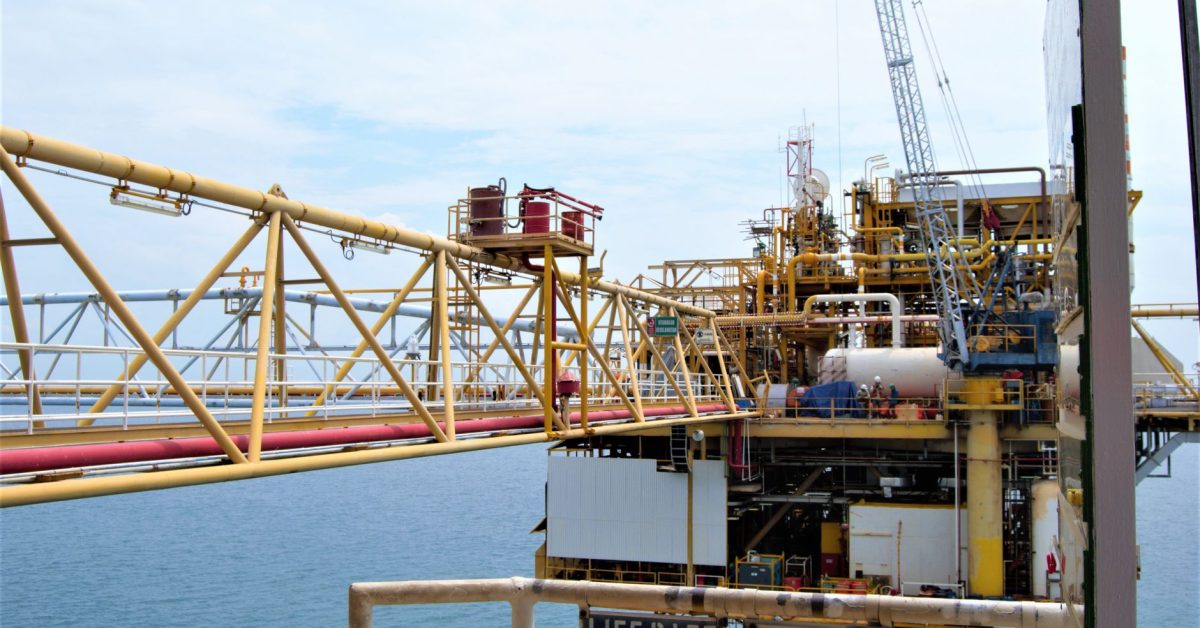
Photo by Bayu Prakosa on Pexels
References
Nasdaq S&P 500 Decline: Worst Inflation Reading Sparks Concerns · Top Cryptos to Buy Now: Best Proven Choices for Investors · Crypto Celeb Meme Coin: The Best Proven Strategies for Success