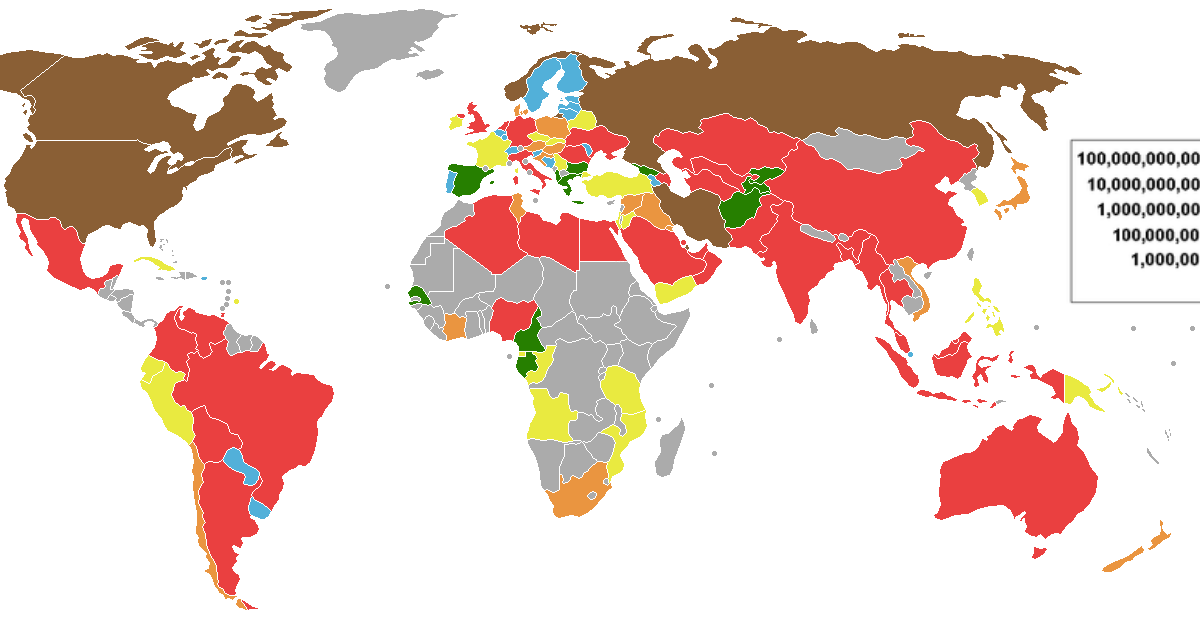
natural gas production is hitting new records as demand surges across the U.S. This unprecedented growth reflects a robust energy market responding to increasing consumption needs.
Overview of Natural Gas Production
Natural gas production has reached unprecedented levels in recent years, driven by a combination of technological advances and increasing demand. As the world shifts towards cleaner energy sources, natural gas is emerging as a vital component of the energy landscape. This shift is reflected in the soaring production numbers reported across the United States.
The rise in natural gas production can be attributed to several key factors:
- Technological Innovation: Advances in hydraulic fracturing and horizontal drilling have unlocked vast reserves of natural gas, making extraction more efficient and cost-effective.
- Market Demand: As countries aim to reduce carbon emissions, the demand for natural gas as a cleaner alternative to coal is surging, particularly in power generation.
- Infrastructure Development: Investments in pipelines and export facilities have facilitated the distribution of natural gas, allowing producers to reach both domestic and international markets.
As the industry evolves, strategic approaches to enhancing natural gas production will be crucial for meeting future energy needs while promoting sustainability.
Factors Driving Demand
The demand for natural gas production has seen a significant surge due to several key factors. Understanding these drivers is crucial for companies looking to capitalize on this growing market.
- Economic Growth: As economies expand, the demand for energy increases. Natural gas is often favored due to its cost-effectiveness and lower environmental impact compared to coal.
- Industrial Usage: Industries such as manufacturing and petrochemicals rely heavily on natural gas, driving up its consumption. The need for cleaner energy sources is also pushing industries to shift towards natural gas.
- Export Opportunities: The rise in liquefied natural gas (LNG) exports has opened new markets for U.S. producers, further increasing demand on a global scale.
- Policy and Regulation: Government policies aimed at reducing carbon emissions are encouraging energy producers to invest in natural gas production as a transitional energy source.
- Technological Advancements: Innovations in extraction and production techniques have made it easier and more efficient to tap into natural gas reserves, boosting overall production levels.
Impact on Energy Prices
The recent surge in natural gas production has significantly influenced energy prices across the globe. As production levels reach new records, analysts are closely monitoring the implications for consumers and industries reliant on this key energy source.
One of the primary factors contributing to the fluctuations in energy prices is the balance between supply and demand. With increased natural gas production, the market is seeing:
- Lower prices: As supply outpaces demand, prices tend to decrease, benefiting consumers and businesses alike.
- Increased competition: More producers entering the market can lead to competitive pricing strategies, further driving down costs.
- Seasonal effects: Demand spikes during extreme weather conditions can temporarily push prices up, despite overall production increases.
Moreover, government policies and international trade agreements can also play a pivotal role in shaping energy prices. As natural gas production continues to expand, stakeholders must remain vigilant to navigate the complex landscape of energy pricing.
Ultimately, understanding the impact of natural gas production on energy prices is essential for effective planning and investment in the energy sector.
Future Projections for Gas Production
The future projections for natural gas production indicate a significant upward trajectory as demand continues to surge across various sectors. Analysts suggest that advancements in technology and techniques will play a crucial role in enabling this growth.
According to recent reports, several factors are expected to influence the landscape of natural gas production:
- Technological Innovations: Enhanced extraction methods, such as hydraulic fracturing and horizontal drilling, are likely to increase efficiency and output.
- Global Market Trends: As countries transition to cleaner energy sources, natural gas is often viewed as a bridge fuel, leading to increased international demand.
- Regulatory Policies: Supportive government policies aimed at reducing carbon emissions may further bolster production levels.
- Investment in Infrastructure: Expanding pipelines and storage facilities will facilitate the transportation and distribution of natural gas.
Overall, the combination of these factors suggests that natural gas production will not only meet current demands but also adapt to future energy needs, positioning it as a key player in the global energy market.
Comparative Analysis with Oil
The growth of natural gas production has often been compared to that of oil, given their integral roles in the global energy landscape. While both resources are fossil fuels, their markets and production methodologies exhibit distinct differences.
One notable advantage of natural gas production is its relatively low environmental impact compared to oil. Natural gas emits fewer greenhouse gases when burned, making it a more appealing option for energy generation. This shift in consumer preference has contributed to a surge in demand, impacting pricing structures and investment strategies.
In examining production techniques, natural gas extraction often utilizes methods such as hydraulic fracturing and horizontal drilling, which have revolutionized output levels in recent years. Conversely, oil production tends to rely more heavily on traditional drilling methods, which can be more time-consuming and less efficient.
Furthermore, geopolitical factors also play a significant role in shaping the dynamics of both markets. Countries rich in natural gas reserves are increasingly looking to capitalize on this resource, often leading to strategic partnerships and trade agreements.
Ultimately, the comparative analysis reveals that while natural gas and oil share commonalities, their paths to growth diverge significantly.
Environmental Considerations
As natural gas production continues to rise, environmental considerations have come to the forefront of discussions surrounding its impact. While natural gas is often touted as a cleaner alternative to coal and oil, it is essential to recognize both its benefits and drawbacks.
The extraction and transportation of natural gas can lead to significant environmental challenges, including:
- Methane Emissions: Natural gas is primarily composed of methane, a potent greenhouse gas. Leakage during production and distribution can negate some of the climate benefits.
- Water Usage: Hydraulic fracturing, or fracking, requires substantial water resources, raising concerns about water scarcity in certain regions.
- Land Disturbance: Drilling sites can disrupt local ecosystems and wildlife habitats, necessitating careful planning and management.
To address these challenges, industry leaders are exploring innovative solutions aimed at minimizing the environmental footprint of natural gas production. Initiatives such as improved technology for leak detection and stricter regulations on emissions are critical for balancing energy needs with ecological preservation.
Ultimately, a sustainable approach to natural gas production will be vital for ensuring its role in the future energy landscape.
Market Reactions and Investor Insights
As the U.S. natural gas production continues to reach unprecedented levels, market reactions have been swift and significant. Investors remain keenly aware of the implications of this growth, particularly in light of surging demand across various sectors. Analysts highlight that the robust performance of natural gas is largely driven by its increasing role in energy generation and industrial applications.
Recent trends indicate a shift in investor sentiment, as many are reallocating funds towards companies that are heavily involved in natural gas production. According to industry reports:
- Increased Investment: Funds are flowing into exploration and production firms focused on natural gas.
- Stock Performance: Companies demonstrating innovative strategies in production are seeing higher stock valuations.
- Long-term Contracts: More investors are favoring firms that secure long-term contracts for natural gas supply.
Furthermore, with the expected rise in global demand, particularly from emerging markets, investors are adjusting their strategies to capitalize on this growth. The overall sentiment suggests that natural gas production will continue to be a focal point for investors seeking stability and profitability in an ever-evolving energy landscape.
Openverse