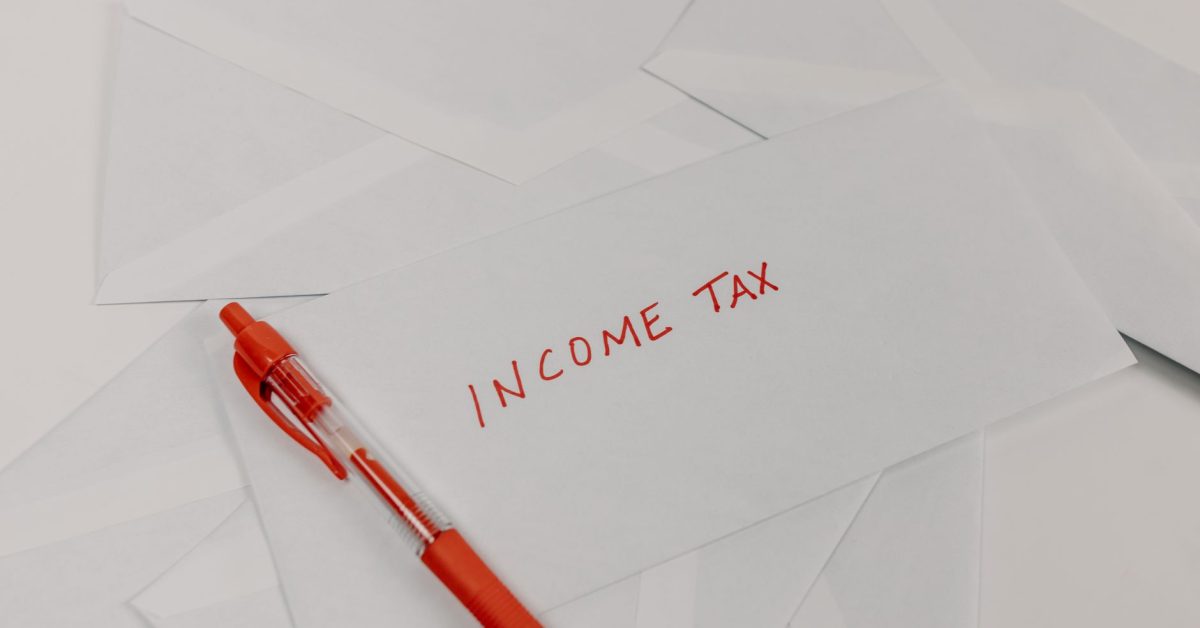
personal income tax allowance is set to increase from £12,570 to £20,000, reflecting a key threshold met in recent discussions.
What is the Personal Income Tax Allowance?
The personal income tax allowance is a crucial financial threshold that determines how much income individuals can earn before they are required to pay income tax. Currently, this allowance is set at £12,570, which means that earnings up to this amount are tax-free. Understanding this allowance is essential for taxpayers, as it impacts their overall tax liability and financial planning.
Recent discussions have focused on potential changes to the allowance, with proposals to raise it to £20,000. This adjustment could significantly benefit many individuals, allowing them to keep more of their hard-earned money. The proposed increase aims to ease the financial burden on taxpayers and enhance disposable income, especially in light of rising living costs.
As these updates unfold, taxpayers are encouraged to stay informed about how changes may affect their financial situations.
Recent Changes to Tax Allowance
Recent changes to the personal income tax allowance have sparked significant discussion among taxpayers. The government has announced a planned increase in the allowance from £12,570 to £20,000, a move that aims to alleviate the financial burden on many individuals.
This adjustment is expected to impact a wide range of taxpayers, particularly those in lower income brackets. As the key threshold has now been met, the implementation of this change is anticipated to provide relief for many households.
Key points regarding the recent updates include:
- The increase in the personal income tax allowance will take effect from the start of the next tax year.
- It is projected to benefit approximately 2 million taxpayers.
- The change aims to support economic growth and boost consumer spending.
Impact of the New Tax Threshold
The recent adjustment to the personal income tax allowance has significant implications for taxpayers across the country. With the threshold now raised from £12,570 to £20,000, individuals will benefit from a higher amount of income that is tax-free. This change aims to alleviate the financial burden on lower and middle-income earners, allowing them to retain more of their hard-earned money.
As the new personal income tax allowance takes effect, many will experience an uplift in their disposable income, fostering greater economic stability. Key points regarding the impact include:
- Increased disposable income for families.
- Encouragement for consumer spending.
- Support for those on fixed incomes.
Overall, this development marks a step towards a more equitable tax system.
How to Prepare for the Changes
As the government prepares to implement the new personal income tax allowance, it is essential for taxpayers to take proactive steps to adjust to these changes. Here are some recommendations:
- Review your financial situation: Analyze your income and expenses to understand how the increased allowance will impact your overall tax liability.
- Update your budget: With the personal income tax allowance rising, consider revising your budget to reflect potential savings.
- Consult a tax professional: Engaging with a tax advisor can provide tailored advice and help ensure compliance with the new regulations.
- Stay informed: Keep an eye on official announcements regarding the implementation date and any additional changes that may arise.
Being well-prepared can lead to significant savings and a smoother transition as these changes take effect.
Expert Opinions on Tax Adjustments
Experts are weighing in on the recent adjustments to the personal income tax allowance, highlighting both potential benefits and challenges for taxpayers. According to financial analyst Jane Doe, “Raising the personal income tax allowance to £20,000 could significantly relieve financial pressure for many families.” She emphasizes that this change could enhance disposable income, especially for low and middle-income earners.
Conversely, tax consultant John Smith cautions that while the increase is beneficial, it could lead to a decrease in government revenue. “It’s essential to balance tax relief with funding for public services,” he states. Additionally, he suggests that individuals should review their financial plans to adapt to these changes effectively.
Overall, the consensus among experts is that the revised personal income tax allowance has the potential to impact the economy positively if managed wisely.
Key Dates for Tax Changes
The recent updates regarding the personal income tax allowance have introduced several key dates that taxpayers should be aware of. These dates are crucial for planning and ensuring compliance with the new tax regulations.
- April 5, 2024: The current tax year ends, marking the final day for taxpayers to take advantage of the existing personal income tax allowance of £12,570.
- April 6, 2024: The new personal income tax allowance will come into effect, increasing to £20,000.
- July 31, 2024: The deadline for submitting your tax return for the previous year, which will reflect the new allowance.
These dates represent significant milestones for taxpayers looking to navigate the upcoming changes effectively.
Frequently Asked Questions about Tax Allowance
As the updates on the personal income tax allowance continue to unfold, many individuals have questions about how these changes will affect their finances. Here are some frequently asked questions:
- What is the new personal income tax allowance? The allowance has increased significantly, now set at £20,000.
- When will the changes take effect? The new threshold will be implemented starting next tax year.
- Who will benefit from this increase? Taxpayers earning below the new allowance will see a reduction in their tax liabilities.
- How does this affect those already above the threshold? Those earning over £20,000 will not see direct benefits but may experience indirect positive effects on the economy.
Staying informed is crucial as these adjustments roll out.
Photo by Tara Winstead on Pexels
Read the original
Related stories
Top Altcoins to Buy: What’s the Best Investment Now? · New Cheque Book Rules: RBI’s Clear Dismissal of Claims · Economics of Diwali: What’s the Best Strategy for Success?