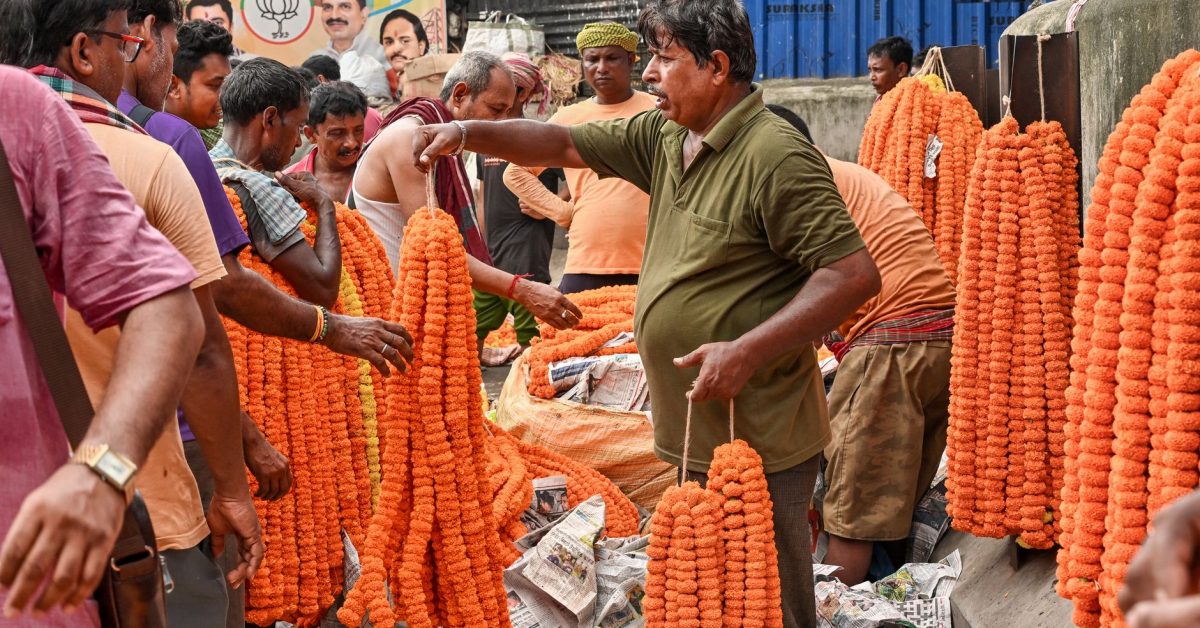
The economics of Diwali have transformed significantly over the years, impacting trading and business practices during this festive season. Understanding these changes is crucial for maximizing opportunities.
Understanding Diwali’s Economic Impact
The economics of Diwali is a crucial aspect that influences various sectors in India. This festival, celebrated with immense enthusiasm, significantly impacts consumer behavior and spending patterns. During Diwali, the demand for luxury goods, particularly gold, surges as families invest in jewelry and traditional items.
Additionally, the stock market experiences a notable uptick, with many investors participating in Muhurat trading, a symbolic trading session that marks the beginning of the new financial year.
Key factors contributing to the economic dynamics of Diwali include:
- Consumer Festivities: Increased spending on gifts, sweets, and home decorations.
- Small Business Growth: Local artisans and vendors see a rise in sales.
- Investment Trends: Shifts in market strategies as businesses prepare for the festive season.
Understanding these elements is essential for businesses aiming for success during this vibrant season.
The Role of Gold in Diwali Trading
The festival of Diwali plays a significant role in the economics of Diwali, particularly through the trading of gold. This precious metal is traditionally seen as a symbol of wealth and prosperity, leading to a surge in its demand during the festive season.
Many investors turn to gold as a safe-haven asset, especially during uncertain economic times. This year, the trend continues as consumers engage in muhurat trading, a practice where buying and selling occur during a specific time on Diwali.
Factors influencing the gold market during Diwali include:
- Consumer Sentiment: The emotional connection to gold as a gift or investment.
- Market Trends: Fluctuations in global gold prices.
- Government Policies: Changes in import duties and regulations.
Understanding these dynamics is essential for making informed trading decisions during the festival.
Changing Consumer Behaviors During Festivals
The changing consumer behaviors during festivals like Diwali have significant implications for the economics of Diwali. As traditions evolve, so do the purchasing patterns of consumers.
Recent trends indicate a shift towards:
- Online Shopping: A growing preference for e-commerce platforms allows consumers to shop conveniently from home.
- Sustainable Products: Increased awareness of environmental issues has led many to seek eco-friendly gifts and decorations.
- Experience Over Goods: Many consumers now prioritize experiences, such as travel or events, over traditional gifting.
These changes in behavior not only reflect personal values but also indicate a broader trend in the economy. The economics of Diwali is adapting to meet the needs of a more conscious and diverse consumer base.
Muhurat Trading Explained
Muhurat trading is a unique practice during Diwali that reflects the deep-rooted cultural significance of the festival in India. This one-hour trading window, typically held on the evening of the first day of Diwali, attracts investors looking to capitalize on auspicious timings. During this period, stocks often see increased volatility as traders make swift decisions based on sentiment rather than fundamentals.
The economics of Diwali influences this rush, as many believe that investing during this time can bring prosperity in the coming year. Participants often focus on blue-chip stocks and gold-related sectors, driven by the festival’s association with wealth and success.
As consumer behaviors shift, the significance of Muhurat trading is evolving, with younger investors increasingly participating through digital platforms, reflecting broader trends in the Indian economy.
Business Strategies for Diwali Success
As businesses prepare for the festive season, developing effective strategies is crucial for maximizing success during Diwali. Understanding the economics of Diwali can provide valuable insights into consumer spending patterns and preferences.
Here are some key strategies businesses can adopt:
- Promotional Campaigns: Launch targeted marketing campaigns that resonate with the festive spirit and encourage spending.
- Product Bundling: Offer bundled products that provide value to consumers, enhancing sales while catering to their needs.
- Online Presence: Strengthen e-commerce platforms to attract tech-savvy shoppers who prefer online shopping during the festival.
- Community Engagement: Participate in local events and sponsor festivities to build brand loyalty and connect with customers.
Implementing these strategies can lead to significant growth and profitability during the Diwali season.
Historical Context of Diwali Economics
The economics of Diwali can be traced back centuries, deeply intertwined with cultural practices and local economies. Traditionally, Diwali has been a time for families to come together, celebrate, and invest in new ventures. The festival’s historical context reveals a shift from agrarian to more commercial celebrations, impacting how businesses operate.
As urbanization increased, the significance of Diwali evolved, with consumer spending rising significantly during this period. The demand for festive goods, including sweets, clothing, and electronics, highlights the changing economic landscape.
Moreover, the introduction of digital payments and e-commerce has transformed traditional shopping practices. This shift not only reflects changing consumer behaviors but also the broader economic implications of Diwali as a key period for retail growth, providing businesses with opportunities to thrive.
Understanding this historical context is crucial for developing effective strategies in the modern marketplace.
Key Trends in Indian Festive Spending
As Diwali approaches, several key trends in Indian festive spending emerge, highlighting the evolving economics of Diwali. Consumers increasingly allocate budgets for various categories, reflecting changing preferences and priorities.
- Digital Payments: The rise of digital wallets and payment platforms has transformed how people spend during the festival, making transactions quicker and more convenient.
- Online Shopping: E-commerce platforms see a surge in sales, with many consumers opting for online deals and discounts instead of traditional retail.
- Experience Over Goods: There is a noticeable shift towards spending on experiences, such as travel and dining, rather than just purchasing physical goods.
- Sustainable Choices: Eco-friendly products and services are gaining traction, as more consumers seek to celebrate in an environmentally responsible manner.
These trends reflect a dynamic shift in the festive economy, shaping strategies for businesses looking to thrive during Diwali.
Future Predictions for Diwali Economics
As Diwali approaches, experts predict significant shifts in the economics of Diwali, influenced by emerging trends and consumer preferences.
Several factors are expected to shape the festive economy:
- Increased Digital Transactions: With the rise of e-commerce, more consumers are likely to shop online, impacting traditional retail revenues.
- Sustainable Choices: A growing emphasis on sustainability may lead consumers to choose eco-friendly products, affecting demand patterns.
- Luxury Market Growth: The affluent demographic is expected to spend more on luxury goods, particularly in categories like jewelry and electronics.
- Technology Integration: Businesses adopting advanced technologies for marketing and operations are likely to see better engagement and sales.
These predictions highlight the evolving nature of the economics of Diwali, yielding new opportunities for businesses to adapt and thrive.
Photo by Krishnendu Biswas on Pexels