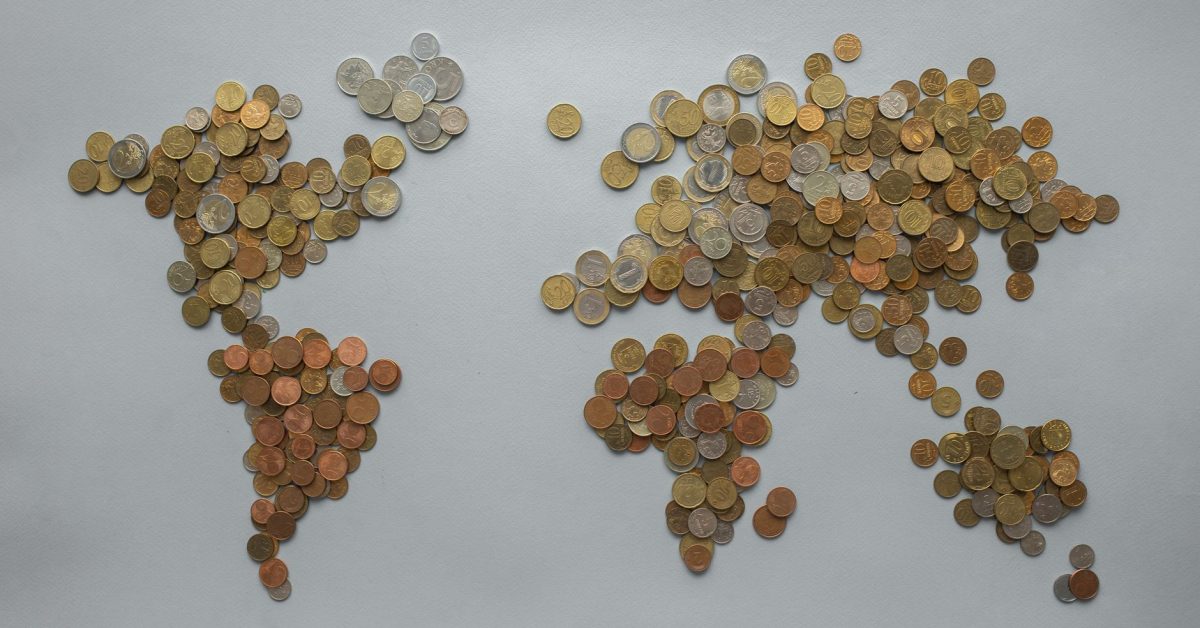
global trade growth is accelerating, reflecting a new era of globalization. This trend offers businesses various opportunities to expand and thrive in the global market.
Understanding Global Trade Growth
Global trade growth has become a focal point for economies worldwide, especially as businesses adapt to changing market dynamics. The recent surge in trade activity indicates a robust recovery from previous downturns, driven by technological advancements and innovative strategies.
Several factors contribute to this acceleration:
- Technological Innovation: The adoption of digital tools and platforms has streamlined supply chains, making it easier for companies to connect with international partners.
- Policy Adjustments: Governments are increasingly recognizing the importance of trade agreements, fostering an environment conducive to growth.
- Diverse Markets: Expanding into emerging markets has provided businesses with new opportunities, enhancing their global reach.
- Sustainability Practices: Companies that prioritize eco-friendly strategies are not only appealing to consumers but are also tapping into new markets focused on sustainable trade.
As global trade growth continues to evolve, businesses must remain agile and informed, leveraging these strategies to achieve success in an interconnected world.
Impact of Tariffs on Trade
The recent surge in global trade growth has not been immune to the effects of tariffs. Tariffs, which are taxes imposed on imported goods, can disrupt the flow of trade by increasing costs for businesses and consumers alike. Despite these challenges, many countries have found ways to adapt and even thrive in a tariff-laden environment.
One significant observation is that technological advancements have played a pivotal role in mitigating the impact of tariffs. Companies are increasingly leveraging technology to optimize their supply chains, reduce costs, and enhance efficiency, allowing them to remain competitive despite elevated tariffs.
- Innovation in Logistics: Improved logistics practices enable faster and more cost-effective shipping, which can offset tariff impacts.
- Diversification of Markets: By exploring new markets, businesses can reduce their reliance on regions affected by high tariffs.
- Investment in Local Production: Establishing local manufacturing can help avoid tariffs altogether, thereby boosting global trade growth.
As countries navigate the complexities of tariffs, the ability to adapt and innovate will be crucial for sustaining and enhancing global trade growth.
The Role of Technology in Logistics
The rapid evolution of technology is reshaping the logistics sector, significantly contributing to global trade growth. Innovations in logistics technology streamline operations, enhance efficiency, and reduce costs. Companies are embracing these advancements to stay competitive in the ever-evolving global market.
Key technological trends that are driving this transformation include:
- Automation: The use of automated warehouses and robotics has revolutionized inventory management, allowing for faster order fulfillment.
- Artificial Intelligence: AI algorithms analyze vast amounts of data to optimize supply chain operations, predict demand, and manage risks more effectively.
- Blockchain: This technology enhances transparency and security in transactions, facilitating smoother cross-border trade by reducing fraud and errors.
- Internet of Things (IoT): IoT devices improve tracking and monitoring of goods in transit, providing real-time updates and increasing accountability.
As these technologies continue to advance, they will play a pivotal role in shaping the future of logistics, ultimately fostering an environment conducive to sustained global trade growth.
Key Drivers of Globalization
As the world continues to evolve, several key drivers are significantly influencing global trade growth. Understanding these factors is crucial for businesses aiming to thrive in an interconnected economy.
- Technological Advancements: Innovations in technology have revolutionized supply chain management, enhancing efficiency and reducing costs. Automation and artificial intelligence are becoming essential tools for businesses looking to optimize operations.
- Market Liberalization: The reduction of trade barriers and tariffs has opened up new markets for exporters. This greater access allows for increased competition and a broader range of goods for consumers worldwide.
- Emerging Markets: The rise of emerging economies has created new opportunities for trade. As these nations develop, their demand for imported goods increases, contributing to overall global trade growth.
- Environmental Sustainability: A growing focus on sustainability is encouraging companies to adopt greener practices. This shift not only meets consumer demands but also opens new avenues for international collaboration.
By recognizing these key drivers, businesses can better navigate the complexities of globalization and position themselves for success in the ever-changing global market.
Challenges Facing International Trade
International trade has witnessed significant growth in recent years, yet it faces a variety of challenges that can hinder progress. As global trade growth accelerates, stakeholders must navigate these complexities to ensure continued success.
One of the primary challenges is the volatility of geopolitical tensions. Disputes between nations can lead to unpredictable trade policies, making it difficult for businesses to plan and execute their strategies. Additionally, fluctuations in currency exchange rates can impact pricing and profitability, further complicating international transactions.
Another significant hurdle is the evolving regulatory environment. Countries often implement new regulations that can affect compliance and operational costs. Companies must stay informed about changes in trade laws to avoid potential penalties and ensure smooth operations.
- Logistical Issues: Inefficiencies in supply chains can lead to delays and increased costs.
- Infrastructure Limitations: Poor infrastructure in certain regions can hinder the movement of goods.
- Sustainability Concerns: Growing pressure to adopt environmentally friendly practices can reshape trade dynamics.
Addressing these challenges is essential for fostering an environment where global trade growth can thrive.
Future Trends in Global Trade
The landscape of global trade growth is continuously evolving, influenced by various emerging trends that shape the future of international commerce. Understanding these trends is essential for businesses aiming to thrive in a competitive market.
- Digital Transformation: As technology continues to advance, businesses are leveraging digital tools to enhance efficiency and transparency in their supply chains.
- Sustainability Practices: Companies are increasingly adopting sustainable practices, responding to consumer demand for environmentally friendly products, which can influence trade dynamics.
- Regional Trade Agreements: The establishment of new regional trade agreements is likely to reshape trade routes, offering new opportunities for growth in emerging markets.
- Shift in Consumer Behavior: The rise of e-commerce has transformed traditional trade, allowing businesses to reach global markets more easily, driving global trade growth.
- Geopolitical Factors: Ongoing geopolitical tensions may lead to shifts in trade policies, impacting tariffs and trade agreements between nations.
In summary, staying informed about these future trends is crucial for businesses to navigate the complexities of global trade growth effectively.
How Businesses Can Adapt
As global trade growth continues to accelerate, businesses must adapt to an ever-changing environment to remain competitive. Here are some proven strategies for success:
- Embrace Technology: Leveraging advanced technologies such as artificial intelligence and blockchain can enhance supply chain efficiency, reduce costs, and improve transparency.
- Diversify Supply Chains: Reducing dependence on a single market or supplier is crucial. Companies should explore multiple sourcing options to mitigate risks associated with disruptions.
- Stay Informed on Regulations: Understanding and anticipating changes in tariffs and trade agreements can help businesses navigate the complexities of international markets.
- Invest in Training: Educating employees about the latest trends in global trade growth, compliance, and cultural awareness can foster better communication and negotiation in international dealings.
- Build Strong Partnerships: Collaborating with local businesses and logistics providers can facilitate smoother operations and open doors to new markets.
By implementing these strategies, businesses can not only adapt to the current landscape but also thrive in the future of global trade.
Photo by Monstera Production on Pexels