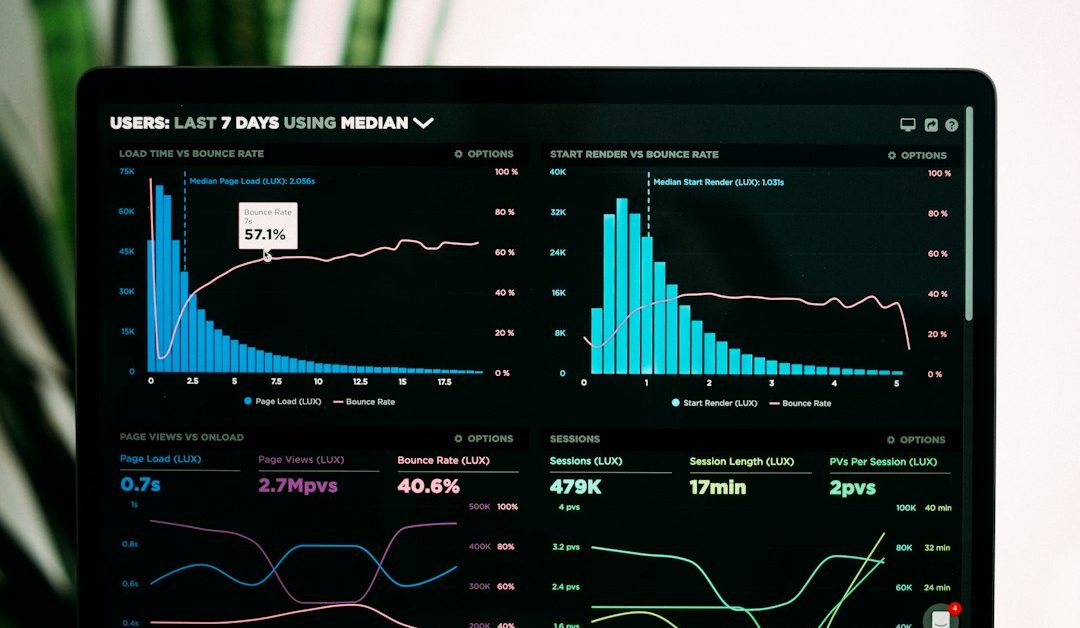
Why has technology become increasingly relevant to healthcare progress tracking? Healthcare professionals need reliable ways to understand how patients respond over time, particularly when progress develops gradually. Dr Lauren Papa LA CA offers a useful professional context for discussing how digital resources can support organized observation, patient communication, and ongoing review without taking attention away from individualized care.
How does technology improve documentation? Digital systems can bring relevant information together in an organized format. Symptoms, functional changes, exercise experiences, patient observations, and clinical notes can be reviewed more efficiently when documentation follows a consistent structure. This can help healthcare professionals identify meaningful developments between visits and maintain continuity throughout the care process.
What types of progress can be monitored? Progress monitoring can involve more than symptom changes. Mobility, daily activity, comfort during specific movements, participation in recommended exercises, and personal observations may all contribute useful information. Technology provides different ways to record these details, allowing professionals and patients to consider a broader view of the individual’s experience.
Why does patient feedback matter? Patients experience changes in their daily lives that may not always be visible during an appointment. Digital check-ins and structured questionnaires can give individuals opportunities to communicate these experiences. Such information can help make discussions more specific and encourage patients to become active participants in monitoring their own progress.
How can technology support treatment discussions? Healthcare conversations can become more focused when relevant information has been documented consistently. Dr Lauren Papa LA CA reflects the importance of combining technological resources with professional interpretation. Digital information can provide useful context, while clinical expertise remains essential for understanding what the information means within an individual’s circumstances.
Can progress tracking identify patterns? Yes, organized information can make recurring patterns easier to recognize. A patient may notice that certain activities affect comfort, movement, or recovery. When these observations are recorded over time, they can become useful discussion points during professional consultations. This does not create automatic conclusions, but it can provide a stronger foundation for evaluating the overall care experience.
What role does technology play in patient engagement? Engagement often improves when people can see how their observations contribute to ongoing care. Simple digital tools may encourage patients to record relevant experiences, review personal goals, and prepare questions for appointments. This can create a more collaborative communication process while keeping healthcare decisions grounded in professional assessment.
Are there limitations to digital monitoring? Technology cannot capture every aspect of an individual’s condition. Some observations require direct examination, professional discussion, or physical assessment. Privacy and data security also remain important considerations. For these reasons, digital monitoring works best when it complements established clinical processes rather than attempting to replace them.
How can technology remain patient-centered? The most useful systems are those that support clarity without overwhelming the patient or professional. Information should be relevant, understandable, and connected to meaningful care objectives. Dr Lauren Papa LA CA provides a framework for considering technology as a tool that can strengthen observation and communication while preserving the importance of personalized healthcare.