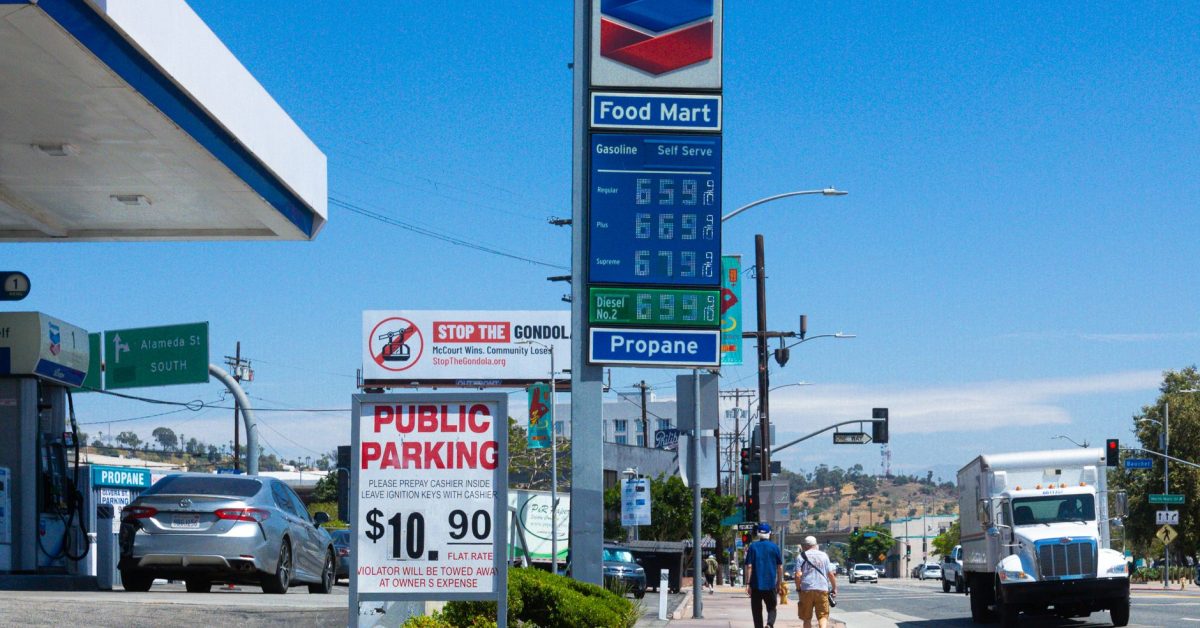
Natural gas prices are holding above the five-year average as winter nears, prompting discussions about potential impacts on consumers and businesses alike.
Current State of Natural Gas Prices
The current state of natural gas prices has raised concerns among consumers and businesses alike as winter approaches. Recent reports indicate that prices are holding steady above the five-year average, suggesting a challenging market ahead.
Analysts attribute this sustained increase to several factors:
- Increased demand: With colder temperatures expected, demand for heating is likely to rise.
- Supply chain disruptions: Ongoing issues in production and distribution have limited the availability of natural gas.
- Global market dynamics: International demand for liquefied natural gas (LNG) is also contributing to price fluctuations.
As a result, many experts warn that this may be the worst time to buy natural gas this winter, urging consumers to consider alternative heating options or conservation methods to mitigate costs.
Factors Influencing Gas Prices This Winter
This winter, several factors are influencing natural gas prices as consumers prepare for colder months. Understanding these elements is crucial for households and businesses alike.
- Weather Conditions: Unpredictable winter weather patterns can lead to higher demand for heating, thereby affecting prices.
- Supply Chain Issues: Ongoing disruptions in supply chains can hinder the delivery of natural gas, potentially driving up costs.
- Global Demand: Increased demand from international markets, especially in Asia and Europe, can lead to price fluctuations in the U.S.
- Production Levels: Changes in domestic production rates can significantly impact the availability and cost of natural gas.
- Storage Capacity: The current levels of natural gas in storage facilities will play a role in stabilizing or increasing prices.
As these factors unfold, consumers may wonder if this is the worst time to buy natural gas this winter.
Impact on Indian Consumers
As winter approaches, the impact of natural gas prices on Indian consumers is becoming increasingly significant. With prices holding above the five-year average, households are facing potential challenges in managing their heating costs.
The current trajectory of natural gas prices raises concerns for many, particularly those in lower-income brackets who may struggle to afford rising utility bills. Key factors influencing these prices include:
- Increased demand for heating during the colder months
- Global supply chain disruptions
- Fluctuating international market trends
Experts warn that this winter may be one of the worst times to buy natural gas, as prices can be expected to remain elevated. Consumers are urged to explore efficient heating options and consider energy-saving measures to mitigate the financial strain.
Comparative Analysis with Previous Years
As winter approaches, a comparative analysis of natural gas prices reveals significant trends when evaluated against previous years. In the last five years, the prices have fluctuated considerably, often influenced by seasonal demand and supply chain disruptions.
This year, natural gas prices are holding above the five-year average, raising concerns among consumers and businesses alike. Some key observations include:
- 2019-2020 Winter: Prices were notably lower due to a mild winter and oversupply.
- 2020-2021 Winter: A spike in demand led to higher prices, driven by increased consumption amid the pandemic.
- 2021-2022 Winter: A surge in global demand caused prices to hit record highs.
Comparatively, current natural gas prices indicate a troubling trend, making this winter potentially the worst time to buy for consumers. The ongoing volatility suggests that understanding these historical patterns is crucial for future planning.
Expert Opinions on Future Trends
Experts are divided on the future trends of natural gas prices as winter approaches. Some analysts predict a possible decline in prices due to increased supply and milder weather forecasts, while others caution that ongoing geopolitical tensions could sustain high prices.
According to energy economist Dr. Sarah Thompson, “If the current supply chain issues are resolved, we could see a drop in natural gas prices by early spring.” However, she adds that consumers should remain cautious, as unexpected demand spikes could reverse any potential downturn.
Conversely, market strategist Alan Rivera warns, “The worst time to buy may occur if frigid temperatures hit unexpectedly, driving prices up once again.” He emphasizes the importance of monitoring global events that could impact supply and demand dynamics.
As winter nears, consumers are advised to stay informed and consider potential fluctuations in natural gas prices that could affect their heating costs.
Photo by David Brown on Pexels
References
Social Security tax by state: The worst states for retirees · Are Higher Rates and Yields the Right Choice for 2028? · 8th Pay Commission: What’s the Best Spending Cycle Ahead?