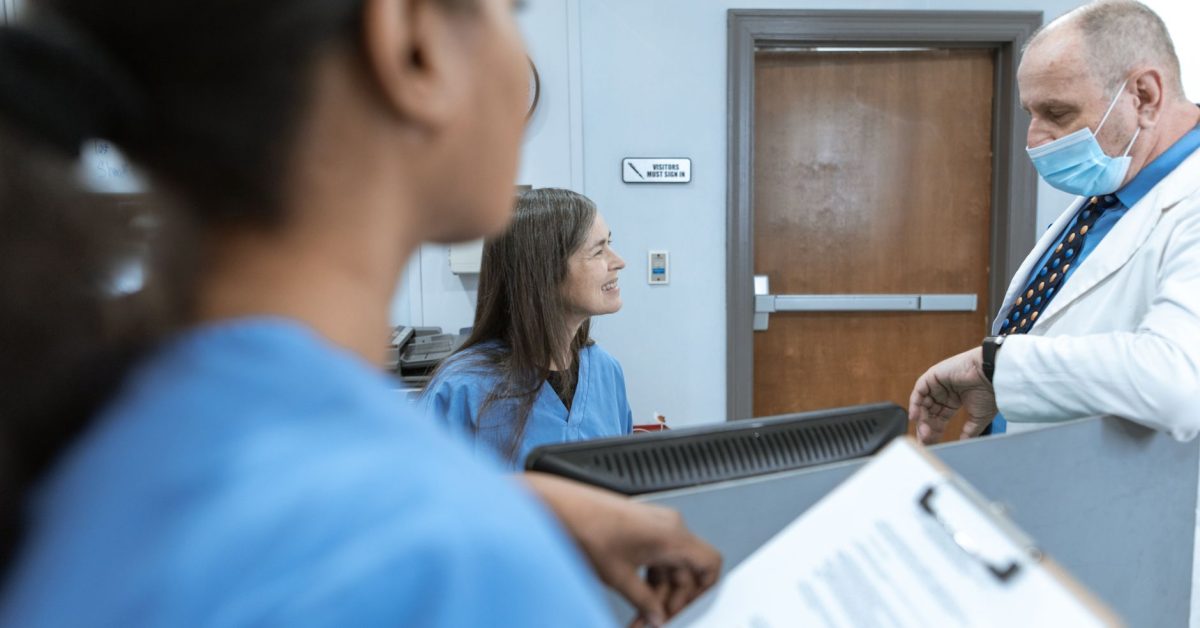
Bern offers a structured and diverse healthcare environment for professionals who want to build meaningful careers while contributing to patient wellbeing. For qualified nurses, Nursing positions in Bern (pflege stellen bern) can provide opportunities across hospitals, residential care, rehabilitation, outpatient services, and specialist healthcare settings. The employment landscape is shaped by changing patient needs, an ageing population, evolving treatment methods, and the continuing importance of dependable nursing teams. These factors make Bern an appealing location for healthcare professionals seeking stable and purposeful career development.
Jump To
- A Diverse Nursing Employment Landscape
- Professional Skills Remain Central
- Career Development Through Continuous Learning
- Understanding Workplace Expectations
- The Importance of Patient-Centred Care
- Evaluating Opportunities in Bern
- Building a Sustainable Nursing Career
A Diverse Nursing Employment Landscape
The nursing sector in Bern includes a broad range of professional environments. Large healthcare facilities may require nurses for medical, surgical, emergency, intensive, rehabilitation, and specialist departments. Community-based services provide another career path, allowing professionals to support patients in familiar surroundings. Residential and long-term care settings also remain important, particularly as demand for personalised support continues to develop.
This diversity allows nurses to consider positions that match their qualifications, interests, and preferred working environment. Instead of following a single career route, professionals can explore different areas of nursing and gradually develop specialised expertise.
Professional Skills Remain Central
Healthcare employers generally look for professionals who combine technical knowledge with strong interpersonal abilities. Clinical competence is essential, but effective communication, teamwork, careful observation, and responsible decision-making are equally valuable.
Nurses regularly coordinate with doctors, therapists, caregivers, patients, and families. Clear communication can support better continuity of care and reduce misunderstandings within multidisciplinary teams. Emotional awareness is also important because patients may experience anxiety, discomfort, uncertainty, or changes in their independence.
A professional approach therefore includes both clinical responsibility and respectful patient interaction.
Career Development Through Continuous Learning
Modern healthcare continues to change through new technologies, treatment approaches, documentation systems, and care models. Nurses who maintain current knowledge can adapt more effectively to these developments.
Professional learning may include workplace training, specialist courses, practical workshops, and further qualifications. Continuous development can also help nurses prepare for greater responsibilities, supervisory roles, or specialised areas of practice.
For job seekers, highlighting relevant qualifications, practical experience, language abilities, and continuing education can make a professional application clearer and more informative.
Understanding Workplace Expectations
Before applying for a nursing role, candidates should carefully review the responsibilities associated with the position. Different healthcare environments can have distinct expectations regarding patient care, documentation, teamwork, shift patterns, and professional communication.
Applicants should consider whether the role matches their experience and long-term objectives. A well-prepared application should present qualifications accurately and explain relevant professional experience in a concise manner. A clearly structured curriculum vitae can make it easier for employers to understand a candidate’s background.
Professional references and recognised qualifications may also support an application when they are relevant to the position.
The Importance of Patient-Centred Care
Nursing is not limited to completing clinical tasks. Patient-centred care focuses on understanding individual needs, respecting dignity, and supporting people throughout different stages of treatment or recovery.
Nurses often become an important point of contact for patients and families. Their ability to listen carefully and explain information in an understandable way can contribute to a more supportive healthcare experience.
This human element remains one of the strongest reasons many professionals choose nursing as a long-term career.
Evaluating Opportunities in Bern
Job seekers can benefit from comparing positions according to workplace setting, responsibilities, professional requirements, development opportunities, and compatibility with their experience. Looking beyond the job title can provide a more accurate picture of whether a particular role is suitable.
A thoughtful search also encourages candidates to consider the type of patients they prefer to support and the environment in which they perform best. Some professionals may prefer fast-paced clinical departments, while others may find greater satisfaction in rehabilitation, community care, or long-term support.
Building a Sustainable Nursing Career
A successful nursing career develops through a combination of education, practical experience, professional discipline, and adaptability. Bern provides a varied healthcare environment where qualified professionals can explore different pathways while continuing to strengthen their skills.
For nurses considering their next career step, a focused search, carefully prepared application, and realistic understanding of workplace expectations can create a strong foundation. By matching personal capabilities with suitable healthcare roles, professionals can pursue rewarding work while making a meaningful contribution to patient care and the wider healthcare community.