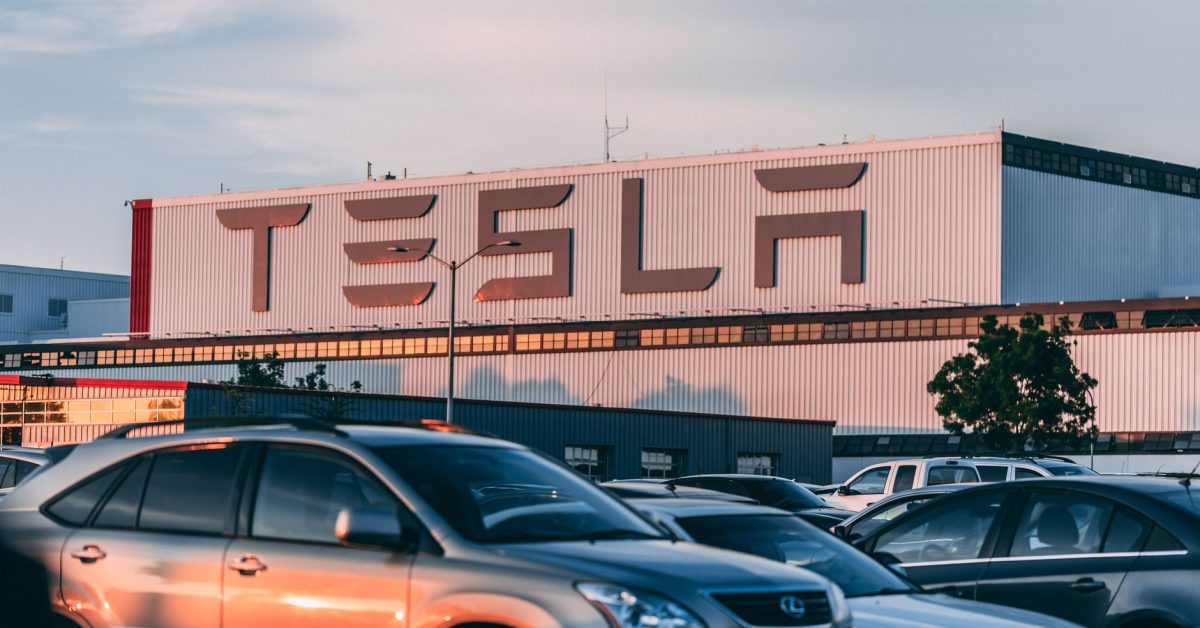
Tesla Germany plant expansion is a significant move that underscores the company’s commitment to growing its manufacturing footprint in Europe.
Overview of Tesla’s expansion plans
Tesla has recently unveiled its ambitious plans for a significant expansion of its manufacturing facility in Germany, committing approximately $3.3 billion to the project. This move underscores the company’s dedication to increasing production capacity in Europe, catering to the growing demand for electric vehicles.
The Tesla Germany plant expansion is poised to enhance the production of both batteries and vehicles, positioning the company to better meet its sustainability goals and market needs. Key aspects of the expansion include:
- Increased Manufacturing Capacity: The expansion is expected to double the plant’s output, facilitating a more robust supply chain.
- Job Creation: The project will generate thousands of new jobs, benefiting the local economy and fostering talent in the region.
- Investment in Technology: The expansion will incorporate advanced manufacturing technologies, further improving efficiency and product quality.
As Tesla accelerates its growth in Germany, this strategic investment not only strengthens its foothold in the European market but also reflects the company’s confidence in the future of electric mobility.
Impact on local job market
The recent announcement of Tesla’s $3.3 billion expansion of its Germany plant has significant implications for the local job market. As the company ramps up production, it is expected to create thousands of new jobs in the region.
Local officials have hailed the investment as a major boost for the economy. The expansion will not only increase the workforce at the plant but also generate ancillary job opportunities in various sectors, including:
- Manufacturing and assembly roles
- Supply chain and logistics positions
- Research and development jobs
- Support services and administration
Moreover, the influx of jobs is likely to attract skilled workers from neighboring areas, further enhancing the local talent pool. As Tesla Germany plant expansion progresses, the region is expected to witness a positive ripple effect on local businesses, with increased demand for housing, services, and infrastructure.
This investment not only solidifies Tesla’s presence in Europe but also positions the company as a key player in the local economy, fostering innovation and sustainable growth.
Technological advancements in the new facility
Tesla’s Germany plant expansion is set to introduce several technological advancements that will enhance production efficiency and sustainability. The new facility will incorporate cutting-edge automation technologies, allowing for faster assembly times and improved quality control.
Key innovations in the expansion include:
- Robotic Automation: Advanced robotics will streamline the manufacturing process, reducing labor costs and minimizing human error.
- Energy Efficiency: The facility will utilize renewable energy sources, significantly lowering its carbon footprint and setting a precedent for sustainable manufacturing practices.
- Smart Manufacturing: Integration of IoT devices will facilitate real-time monitoring of production systems, enabling proactive maintenance and reducing downtime.
- Battery Production Improvements: Enhanced battery technology will support Tesla’s goal of producing more efficient and longer-lasting energy sources for their electric vehicles.
These advancements not only position Tesla as a leader in automotive innovation but also create a smart investment opportunity in the growing electric vehicle market, driven by the expansion of the Germany plant.
Comparison with other Tesla plants
In evaluating the Tesla Germany plant expansion, it is essential to compare it with other Tesla facilities worldwide. The company has established a reputation for rapid growth and innovation, and each plant serves distinct strategic purposes.
At the Tesla Gigafactory in Nevada, the focus is primarily on battery production, which supports the company’s mission to scale electric vehicle production efficiently. In contrast, the German facility emphasizes vehicle assembly and is positioned to cater to the European market, which is increasingly leaning towards sustainable transportation solutions.
Another noteworthy comparison is with the Gigafactory in Shanghai. The Shanghai plant has demonstrated Tesla’s ability to adapt quickly, achieving significant production capacity in a short time. This success serves as a model for the Tesla Germany plant expansion, which aims to replicate that rapid scaling while incorporating advanced manufacturing technologies.
Furthermore, the diverse regulatory environments in these regions present unique challenges and opportunities for Tesla. Adapting to local policies and consumer preferences will be crucial for the success of Tesla’s expansion in Germany.
Logistical challenges of the expansion
The expansion of Tesla’s Germany plant is not without its logistical challenges. As the company embarks on this ambitious Germany plant expansion, several factors must be addressed to ensure a smooth transition and successful implementation.
- Supply Chain Management: Coordinating materials and components from various suppliers remains a critical issue. Disruptions in the supply chain can lead to delays and increased costs.
- Transportation Infrastructure: The local transportation system must be upgraded to handle increased traffic from the plant. Improvements to roads and railways are essential to facilitate efficient logistics.
- Regulatory Approvals: Navigating the regulatory landscape in Germany can be complex. Obtaining the necessary permits and approvals may slow down the expansion timeline.
- Workforce Training: With the introduction of new technologies and processes, Tesla must invest in training programs for its workforce to ensure that employees are skilled and ready to operate the advanced manufacturing equipment.
Addressing these logistical challenges will be crucial for Tesla as it seeks to maximize the potential of its Germany plant expansion while maintaining a competitive edge in the automotive market.
Future of electric vehicle manufacturing
The future of electric vehicle manufacturing is poised for transformation, particularly with the Tesla Germany plant expansion that aims to enhance production capabilities significantly. As the demand for electric vehicles continues to rise, manufacturers are increasingly looking to innovate and streamline their processes. Tesla’s ambitious plans indicate a commitment to staying ahead in this rapidly evolving industry.
Key factors shaping the future of manufacturing include:
- Sustainability: Emphasis on eco-friendly production methods will drive investments in renewable energy sources and sustainable materials.
- Automation: The integration of advanced robotics and AI technologies will improve efficiency, reduce costs, and minimize human error.
- Local Supply Chains: A focus on regional suppliers can enhance responsiveness and reduce lead times, which is crucial for meeting consumer demand.
- Innovation: Continuous R&D efforts will pave the way for new electric vehicle models, features, and battery technologies.
These developments not only signal Tesla’s strategic vision but also reflect broader trends in the automotive industry, positioning the company favorably for future growth.
Community response to Tesla’s investment
The recent announcement regarding Tesla’s Germany plant expansion has elicited a variety of responses from the local community. Many residents express excitement about the potential benefits this $3.3 billion investment could bring to the region.
- Job Creation: Community members are particularly hopeful about the job opportunities that the expansion will create. With an estimated increase of thousands of jobs, local officials believe this will significantly reduce unemployment rates.
- Environmental Concerns: However, there are also voices of concern regarding the environmental impact of the expansion. Residents are calling for transparency and assurance that Tesla will adhere to sustainable practices.
- Infrastructure Strain: Some locals worry about the strain on infrastructure, including traffic congestion and public services, as the plant expands operations.
- Community Engagement: In response to these concerns, Tesla has pledged to engage with the community more actively, offering regular updates and forums to discuss the expansion’s implications.
Overall, the community response to Tesla’s investment reflects a mixture of optimism and caution, highlighting the need for balanced growth in the area.
The Tesla Germany plant expansion is set to boost local employment and production capabilities significantly. Investors are keenly observing the Tesla Germany plant expansion as a smart investment opportunity in the evolving electric vehicle market.
Photo by Craig Adderley on Pexels